
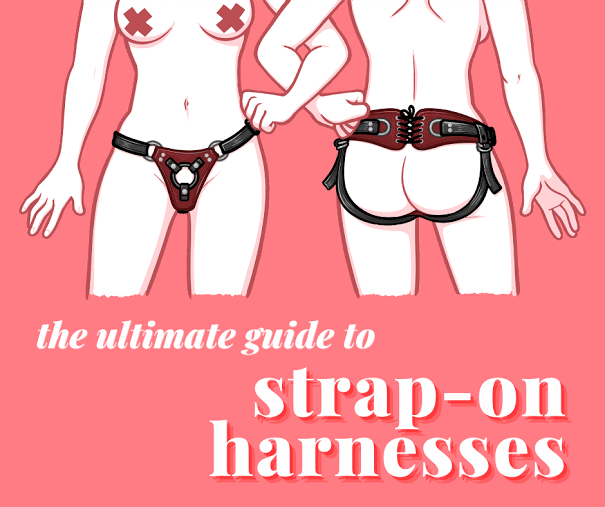
The first time you hold a strap-on harness, it can feel surprisingly technical - like lingerie crossed with sports gear. That’s a good thing. A great harness is less about “putting on a costume” and more about creating a secure, comfortable base for connection, confidence, and control.
If you’re shopping for a strap on harness for beginners, your goal is simple: find a setup that stays put, feels good on your body, and lets you focus on sensation and communication instead of readjusting straps.
What a harness actually needs to do
A harness has one job: hold a dildo in a stable position that matches your movement. Everything else - aesthetics, extra rings, fancy details - is secondary.
Stability comes from two things: fit and structure. Fit is about adjustability (waist, hips, thighs) and how the straps sit on your body. Structure is about the front panel or ring area: it should keep the base from tipping, bouncing, or angling away when you thrust.
If you’re a beginner, prioritize a harness that feels secure when you take a deep breath, shift your hips, and walk around. If it slides, twists, or pinches while standing, it won’t magically improve once you’re in motion.
Picking the right style: it depends on how you want to feel
Harness styles are often described like they’re universally “best,” but the right choice depends on your body and the vibe you’re building.
A thong-style harness can feel sleek and minimal, and many people like how it anchors between the cheeks for stability. The trade-off is that thong straps can be distracting or uncomfortable for some bodies, especially during longer sessions.
A jock-style harness tends to distribute pressure more evenly with leg straps that frame the glutes. It often feels more secure and less fussy for beginners, though it can look more “gear-like” than lingerie-forward.
Brief-style or underwear harnesses feel familiar because they wear like underwear, often with a built-in O-ring. They’re easy to put on and can be very comfortable. The downside is that fit is less adjustable, so sizing matters more, and some softer fabric styles can allow a bit of wobble with heavier toys.
There are also strapless designs, but they’re usually not the most forgiving starting point. They can be incredible with practice and the right anatomy, yet they demand technique, pelvic floor engagement, and patience.
Materials: comfort, control, and cleanup
Material affects everything: how the harness feels against skin, how it holds tension, and how easy it is to clean.
Nylon and similar performance fabrics are lightweight, adjustable, and beginner-friendly. They’re practical and tend to fit a wide range of bodies, but they can look more utilitarian than “luxury.”
Leather and vegan leather have a structured, premium feel and often hold a toy very firmly. They can also signal a more dominant, power-forward aesthetic. The trade-off is maintenance: you’ll need to clean thoughtfully and condition real leather.
Soft fabric and lace-forward harnesses can be beautiful and confidence-boosting. Just make sure the front panel is reinforced enough to keep the ring stable. If the fabric stretches too much, the toy may angle downward when you apply pressure.
For beginners, comfort and hygiene usually beat aesthetics. You can always build a collection later once you know what your body likes.
Fit: the detail that changes everything
A harness that “almost fits” will steal your attention at the worst moment. Aim for snug, not tight. You should be able to slide a finger under straps without forcing it.
Start with the waist. If the waist strap rides up, the dildo tends to point down. If it rides too low, you can lose leverage and the base can press uncomfortably.
Then adjust leg straps (if your style has them). Too loose and the ring shifts side-to-side; too tight and you’ll feel chafing where inner thigh meets groin. A good leg strap sits securely without digging in when you take a wider stance.
Finally, check alignment. The ring should sit where you naturally generate thrust - usually slightly lower than people expect when they first try one on. Walk around, do a few slow hip movements, and notice if the harness stays centered.
The O-ring: your compatibility checkpoint
The O-ring is the circular opening that holds the dildo base. Some harnesses include interchangeable rings, which is helpful if you’re experimenting with different toy sizes.
As a beginner, you’ll usually have the easiest time with a medium ring that fits a standard flared-base dildo. Too small and insertion/removal becomes annoying. Too large and the toy can tilt or slip.
If you plan to use a dildo with a suction base, check whether it will sit securely in the ring. Some suction bases are wide but not strongly flared, and they may need a tighter ring or a harness designed for that base style.
Choosing a beginner-friendly dildo for strap-on play
The dildo matters as much as the harness. Many first-timers accidentally choose something too large, too heavy, or too rigid, and then blame the harness.
For early sessions, a moderate length and a slimmer-to-average girth tend to create a more relaxed learning curve. Softer silicone can feel more natural for a receiving partner, especially while you’re still dialing in angles.
Weight is also real. A very long or dense dildo can pull downward, making even a great harness feel unstable. Until you know you want that intensity, choose something balanced and easy to maneuver.
And pay attention to base design. A flared base is the classic strap-on-friendly shape because it locks into the ring and resists slipping through.
Lube: the quiet luxury essential
Use more lube than you think you need, and choose it based on your toy material.
Water-based lube is the safe default, especially with silicone toys. Silicone-based lubes can feel extra plush and long-lasting, but they may not be compatible with all silicone products. If you’re unsure, stay with water-based.
For anal play, a thicker formula often feels more comfortable because it cushions friction. For vaginal play, many people prefer a silky water-based texture that stays slippery without feeling sticky.
Reapply before anyone feels “almost uncomfortable.” That’s the moment lube saves the mood.
Your first session: how to make it feel confident, not clumsy
Give yourselves permission for it to be a learning session. You’re building coordination and reading each other’s body in a new way.
Start fully dressed or partially dressed if that lowers the pressure. Many couples find it easier to begin with the harness over underwear or a thin layer, then transition once fit and positioning feel right.
Go slower than your imagination. The giver is learning thrust mechanics, and the receiver is adjusting to a new angle and rhythm. Slow movement lets you find what hits the right spots and what needs a micro-adjustment.
Positions matter. Anything that stabilizes hips and reduces the need for athletic thrusting can feel more intuitive. If you’re both new, try positions where the receiving partner can control depth and angle with their own hips. It’s often more comfortable, and it builds trust fast.
Communication that stays sexy
Beginners sometimes avoid feedback because they don’t want to “ruin the moment.” But the moment is better when your bodies are aligned.
Use simple, specific language: “a little higher,” “slower,” “more pressure,” “pause,” “that angle is perfect.” If you want a more refined approach, agree on a few phrases before you start. It keeps the flow smooth and makes reassurance feel intentional instead of awkward.
Also, talk about aftercare even if your play is gentle. Aftercare can be as simple as water, a warm towel, and a few minutes of closeness.
Common beginner problems and what they usually mean
If the dildo points downward, the waist strap likely needs to sit higher or tighter, or the toy may be too heavy for that harness style.
If the ring twists to the side, leg straps might be uneven or too loose. It can also happen when the dildo base doesn’t match the ring size.
If the giver feels sore in the hips, you may be over-thrusting. Shorter strokes with more hip roll can feel better for both partners and often creates stronger contact.
If the receiver feels pressure in the wrong place, it’s usually angle, not “too small” or “too big.” Adjust height, add lube, slow down, and let the receiver guide depth.
Shopping with intention (and a luxury mindset)
A strap-on setup is an intimacy investment. You’re choosing the experience you want: playful exploration, power-forward dynamics, or a refined extension of partnered pleasure.
If you like a curated approach to categories and a premium, design-led shopping experience, you can explore harnesses, strap-on compatible dildos, and elevated essentials at XtasyXperience without the tacky vibe that turns many first-timers off.
The best purchase decision is the one that matches your real life: how long you want to play, how adjustable you need it to be, and what kind of presence you want to feel when you put it on.
Closing thought: Treat your first strap-on experience like styling something tailored - not to a trend, but to your body and your relationship. When the fit is right, confidence stops being something you summon and becomes something you wear