
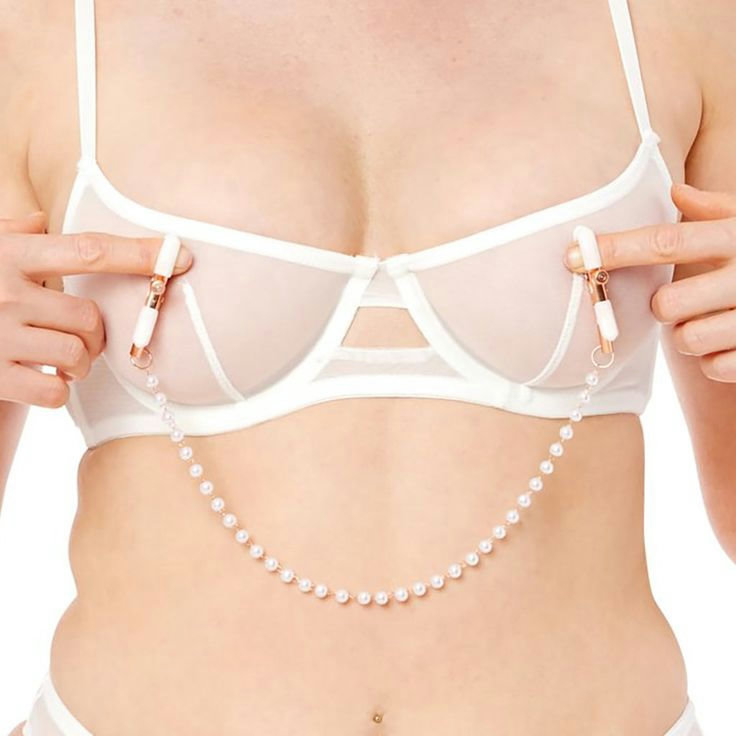
Nipple clamps can turn a subtle touch into something sharper, deeper, and far more immersive - but the difference between thrilling sensation and a bad experience usually comes down to pressure, timing, and communication. If you're learning how to use nipple clamps safely, think of them less like a dare and more like a calibrated form of sensory play.
That mindset matters. Nipple clamps work by restricting blood flow while creating steady pressure on a highly sensitive area. For some people, that feels intensely arousing. For others, it can feel overwhelming fast. Safe use is about respecting that range, starting lighter than you think you need, and treating fit as part of the experience, not an afterthought.
How to use nipple clamps safely from the start
Begin before the clamps ever touch skin. Nipple tissue is delicate, and sensitivity varies widely based on anatomy, arousal, temperature, cycle timing, and simple personal preference. What feels perfect on one day may feel too intense on another. A quick check-in with yourself or your partner sets the tone for a more confident, refined experience.
If this is your first time, choose adjustable clamps rather than fixed-pressure styles. Adjustable clamps give you more control over intensity, which makes them far more forgiving for beginners and more precise for anyone who wants sensation tailored rather than extreme. A design-led clamp can look beautiful, but aesthetics should never outrank function. You want smooth edges, quality materials, and a mechanism that tightens gradually.
Apply clamps only to healthy, unbroken skin. If there is irritation, piercing-related soreness, bruising, rash, sunburn, or recent injury, wait. The same goes for numbness, circulation issues, or any condition that affects healing or nerve sensation. In those cases, cautious restraint is the better luxury.
Start with warm-up, not full pressure
Nipples generally respond better when the body is already aroused. Touch, kissing, massage, or gentle suction can help increase blood flow and make sensation easier to read. Going straight to clamps on a cold, unaroused nipple often feels harsher than intended.
Once the area is warmed up, place the clamp behind the nipple, not across a large section of surrounding breast tissue unless the design specifically calls for that. Tighten slowly. Then pause. The first few seconds can be misleading because pressure often builds as the tissue adjusts. What feels mild at first can become too intense within half a minute.
A good starting point is light tension for a short interval. There is no prize for pushing intensity early. The most elegant experiences tend to build, not lunge.
Choosing the right clamp changes everything
Not all nipple clamps create the same kind of sensation. Clover clamps typically tighten more as they are pulled, which can make them more intense and less predictable for beginners. Tweezer-style clamps often allow a gentler, more adjustable fit. Alligator clamps can vary significantly depending on design, and some use rubber tips to soften pressure.
This is where preference matters more than hype. If you want measured sensory play, adjustable tweezer or screw-style clamps usually offer the easiest learning curve. If you already know you enjoy firmer pressure and dynamic tension, you may explore more advanced styles later. The safest choice is the one you can control with confidence.
Weight, chains, and decorative details also affect feel. A clamp with an attached chain may look striking and add a power-play element, but even light movement can increase intensity fast. For first sessions, simpler is better. You can always layer in more complexity once you know how your body responds.
How tight is too tight?
A clamp should feel undeniably present, but it should not create sharp, escalating pain that feels alarming rather than erotic. Mild discomfort can be part of consensual kink. Numbness, coldness, blue or white discoloration, or intense pinching that does not settle are signs to remove the clamp right away.
Color changes deserve attention. A little redness is common. Deep purple, white, or bluish skin suggests the clamp may be too tight or has been left on too long. If you notice that shift, don't try to tough it out.
The body gives useful feedback if you let it. Safe sensory play is less about endurance and more about responsiveness.
Timing matters more than people think
One of the most common mistakes with nipple clamps is leaving them on too long. Especially for beginners, shorter sessions are the smart move. Start with just a few minutes and assess. Even experienced users benefit from checking in rather than relying on habit.
There is no universally correct time because pressure, clamp style, anatomy, and arousal all change the equation. A lighter clamp may be comfortable longer than a firmer one, and the same person may want very different timing from one session to the next. If you are new, err on the conservative side.
What catches many people off guard is removal. Taking clamps off often creates a sudden rush of returning blood flow, and that can feel much more intense than wearing them. For some, that spike is the best part. For others, it is the moment that becomes too much. Removing them slowly, with a hand ready to support the area, can make the transition easier.
Communication is part of the safety protocol
If you're using nipple clamps with a partner, do not treat silence as consent or comfort. Ask direct, simple questions. "How does this pressure feel?" is better than "Are you okay?" because it invites a more precise answer. If you are mixing nipple clamps with restraint, blindfolds, or power dynamics, communication needs to be even clearer because movement and reaction may be limited.
A safeword or stop signal is not just for intense scenes. It is useful anytime sensation can escalate quickly. Nipple play can shift from pleasurable to too much in seconds, especially when adrenaline is part of the mood.
Trust is what makes control feel luxurious instead of careless.
What to avoid when using nipple clamps
Avoid clipping too much tissue into the clamp. That often causes uneven pressure and unnecessary pain. Avoid placing clamps on damaged skin or over jewelry unless a product is specifically designed for that scenario and you know exactly how your body handles it.
Avoid falling asleep in them, leaving the room while a partner is wearing them, or combining them with impaired judgment. Alcohol or other substances can dull sensation and delay a needed stop. That can turn a controlled experience into one that leaves lingering soreness or injury.
Also avoid assuming more expensive always means easier. Premium construction matters, but fit and adjustability matter more. The right clamp for you is the one that delivers intentional pressure, not just visual appeal.
Aftercare is not optional
Aftercare for nipple clamps is simple, but it matters. Once the clamps come off, touch the area gently. Some people enjoy soft massage, warm hands, or a soothing balm that is body-safe and fragrance-light. Others prefer no touch for a minute because sensitivity spikes on release.
Check the skin. Temporary marks can be normal. Persistent pain, broken skin, severe bruising, or numbness that does not fade deserves a longer pause from play and, if needed, medical attention. Safety is not unsexy. It is the reason exploration stays sustainable.
Emotional aftercare counts too. Intense sensory play can leave someone feeling energized, exposed, euphoric, or unexpectedly tender. A quick check-in helps both partners understand what worked and what should change next time.
If you are building a more curated kink wardrobe, this is also the moment to review the tool itself. Clean the clamps according to their material and construction, inspect tips and tension points, and store them carefully. Well-made accessories reward care.
A more elevated way to explore sensation
Learning how to use nipple clamps safely is really about learning your threshold with precision. Start with adjustable pressure, keep sessions shorter than your ego suggests, and treat communication as part of the design of the experience. Sensory play is often most powerful when it feels intentional.
For those exploring a more refined approach to kink, that intentionality is the whole point. A beautiful clamp, like any intimate essential, should enhance confidence and connection rather than test your limits by surprise. If you're curating your next experience through XtasyXperience, choose pieces that let you build pressure gradually and respond in real time.
The most memorable pleasure usually isn't the most extreme - it's the one that feels controlled, trust-based, and exactly calibrated to the moment.