
If you’ve ever had the thought, “We want a little more edge, but still want it to feel beautiful,” you’re already in the right mindset for a bondage kit. Done well, bondage isn’t about chaos or shock value. It’s about intention: the way a blindfold changes attention, how a restraint changes posture, how anticipation becomes its own kind of luxury.
A thoughtfully chosen kit can make that kind of play feel approachable and elevated at the same time. The difference comes down to design, materials, and how well the set supports communication - not just how many pieces are in the box.
What a bondage kit actually adds to intimacy
A bondage kit is less about “tying someone up” and more about shaping an experience. Restraint creates structure: one partner leads, the other surrenders, and both get to focus. For couples, it often becomes a shortcut to deeper presence because the usual multitasking disappears.
There’s also a practical benefit for beginners. A kit gives you coordinated components that work together: compatible cuffs, adjustable straps, and sensory pieces that build a scene without requiring rope skills on night one. You can keep it playful and light, or slowly intensify over time - the kit becomes a foundation rather than a one-off purchase.
Choosing the right bondage kit: start with the vibe
Before you compare features, decide what you want it to feel like.
If your goal is sensual control, you’ll gravitate toward soft cuffs, under-the-bed restraints, and a blindfold that blocks light without feeling harsh. If you’re drawn to power-forward dynamics, you may prefer firmer materials, more restrictive positioning, or accessories like a gag or a crop.
This is also where aesthetics matter. For many people, a kit that looks refined gets used more often. When the hardware is polished, the stitching is clean, and the materials feel good in the hand, the experience starts before anything is fastened.
Beginner-friendly vs. experienced: it depends on your “yes”
A beginner bondage kit should make consent and comfort effortless. Think adjustability, quick-release closures, and materials that don’t require a break-in period.
If you’re more experienced, you may want a kit that supports stronger immobilization or more specific scenarios. That can mean more anchoring options, more restrictive cuffs, or accessories that require clearer communication and greater trust. Neither is “better” - it’s about matching the kit to what you can confidently negotiate and enjoy.
Materials and construction: where luxury shows up
A bondage kit can look premium in photos and still feel disappointing in real life. Materials and build quality are what separate “cute idea” from “repeat ritual.”
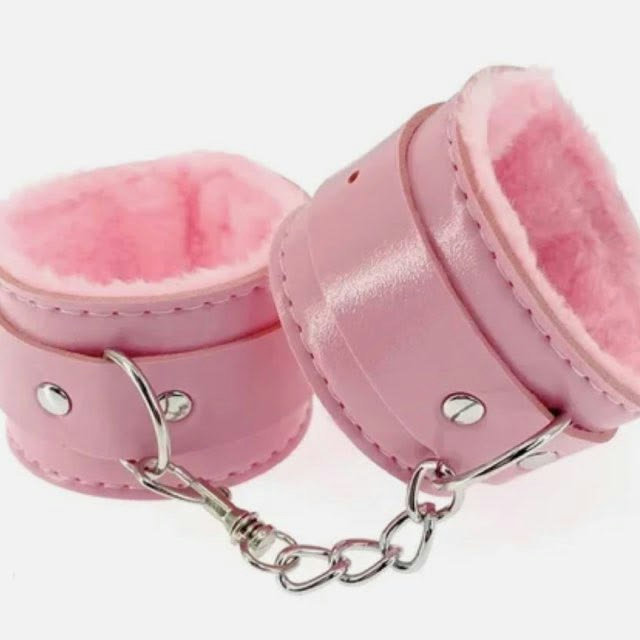
Cuffs and restraints. Look for wide cuffs that distribute pressure and avoid pinching. Soft linings (like neoprene or plush padding) tend to feel more forgiving, especially for wrists. Vegan leather can be beautifully finished and easy to clean. Genuine leather can feel exceptional, but it needs care and may not be ideal if you want low-maintenance.
Hardware. Metal D-rings, sturdy buckles, and reinforced stitching matter. This is not the place for flimsy clips that flex under tension. Strong hardware isn’t just about intensity - it’s about reliability and peace of mind.
Rope vs. straps. Rope can be incredibly sensual and visually striking, but it comes with a learning curve and higher safety responsibility. Straps and cuffs are faster, easier to adjust, and typically more beginner-friendly. If you love the look of rope but want simplicity, you can start with a strap-based kit and add rope later once you’ve learned technique.
The core pieces worth having (and what they’re for)
Not every bondage kit needs to be massive. In fact, fewer pieces that you actually use often beats a crowded set that lives in a drawer.
A solid foundation usually includes wrist cuffs, ankle cuffs, and a connector system that can create different positions. Add a blindfold and you’ve already built a sensory-forward scene.
If your style leans more dominant/submissive, a gag can be a powerful addition - but it’s also a piece that requires extra care. Comfort, breathability, and clear nonverbal communication become essential. For many couples, it’s something to add after you’ve already established trust with lighter restraint play.
And if you want a clean, bedroom-ready setup without installing anything, under-the-bed restraint systems are a favorite because they feel polished and intentional. They can transform a familiar space into something new in under a minute.
Fit, comfort, and range of motion: the details that prevent regret
Most disappointment with a bondage kit comes from one of three issues: it doesn’t fit, it doesn’t feel good, or it’s too complicated.
Fit is straightforward: cuffs should adjust easily and sit flat against the skin without digging. You should be able to slide a fingertip under the cuff. Too loose and it slips; too tight and it becomes a distraction.
Comfort is about edges, lining, and tension points. A beautiful cuff with rough seams won’t feel luxurious for long. Range of motion matters because not every body enjoys the same positions. If your kit forces a posture that cramps hips or strains shoulders, you’ll use it less. A more adjustable system lets you find what feels elegant on your body - and your partner’s.
Safer play essentials (without killing the mood)
A bondage kit is an invitation to play with control, so safety needs to be part of the design of the night, not an afterthought.
Start with communication that’s specific. “Do you want to try restraints?” is a beginning, not a plan. Talk about what’s on the table (blindfold, cuffs, gag, spanking) and what’s not. Decide how intense you want it to feel, and what kinds of touch are a yes.
Use a safeword and also a nonverbal signal. If someone is gagged or simply too overwhelmed to speak, a simple hand squeeze or dropping an object can work.
Finally, keep safety shears accessible if rope is involved, and avoid any restraint around the neck. For cuffs, check circulation occasionally, especially if the scene goes long. These choices don’t make the experience less sexy. They make it more confident.
How to bring a bondage kit into your relationship
The smoothest introduction is usually framing it as an experience you’re building together. Not “I want to tie you up,” but “I want to plan a night where we play with control and anticipation.”
A great first scene can be surprisingly simple: cuffs plus blindfold, then slow touch and teasing. You’re testing communication, comfort, and emotional response. If you discover you both love it, you can expand the next time with more restrictive positions or additional sensations.
It also helps to decide who leads. Switching can be hot, but for a first try, clarity beats complexity. Pick a primary lead for the night, even if you trade roles later.
Care, cleaning, and storage: keep it looking and feeling premium
A bondage kit lasts longer when it’s treated like a personal luxury item, not a novelty. Wipe down non-porous materials after use with a toy-safe cleaner or mild soap and water (depending on the material), then dry fully before storing.
If your kit includes leather, avoid soaking it and consider a leather conditioner designed for intimate gear. Store pieces so they don’t crease or crack, and keep metal hardware dry to prevent tarnish.
Discreet storage matters too, especially for design-forward customers who don’t want a tangle of straps in the bedside drawer. A dedicated pouch or case keeps the ritual intact: when you reach for it, it feels like a choice, not clutter.
Finding a kit that matches your taste (and your boundaries)
Shopping for a bondage kit is a little like shopping for fragrance: the notes have to suit you. You’re balancing aesthetics, comfort, and how bold you want the experience to be.
If you want a curated, luxury-leaning selection across restraint styles and intensity levels, XtasyXperience is designed for exactly that kind of intentional browsing - where you can choose by mood and experience, not just by price tag.
The best kit is the one that feels like it belongs in your life. Not because it’s the most extreme, but because it supports the version of intimacy you’re actually excited to return to.
A helpful closing thought: treat your first few sessions like you’re developing a shared language. The more you refine what feels good - pressure, pace, permissions, and pauses - the more a bondage kit stops being “gear” and starts becoming your signature ritual.
Shopping specifically as a couple? Read our guide to luxury bondage kits for couples